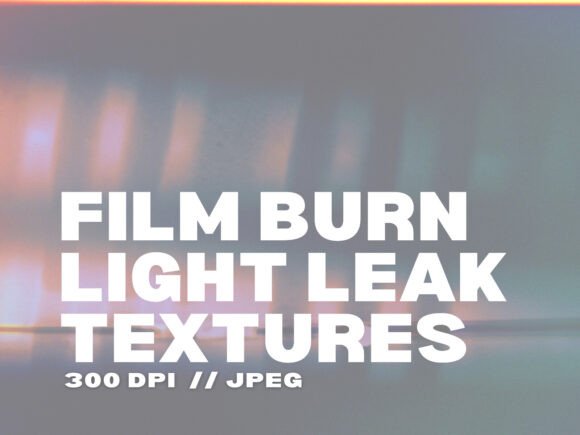
Add Cinematic Glow with 24 Film Burn Light Leak Textures
Understanding the Aesthetic Power of Light Leaks
In the world of visual content creation, the difference between a flat image and a captivating piece often lies in the atmosphere. We are constantly seeking that specific warmth or "glow" that triggers an emotional response. This is where 24 Film Burn Light Leak Textures come into play. These assets are not just random colorful streaks; they are sophisticated overlays designed to mimic the chemical reactions that occur when light hits actual photographic film. For the modern designer or marketer, this collection offers an immediate way to bypass sterile digital perfection and introduce organic, nostalgic charm.
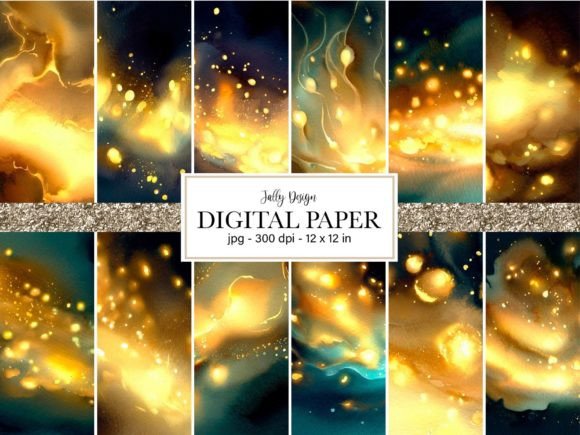
Visually, these textures are characterized by soft gradients, vibrant amber and orange tones, and the occasional cool purple or magenta bleed. They replicate the look of expired film stock or the accidental exposure that happens in vintage cameras. This specific style adds a layer of "lived-in" quality to your work. When you overlay these textures, you are essentially applying a vintage or retro filter, but with much more control and authenticity than a standard mobile app filter provides. The visual personality is warm, dreamy, and slightly imperfect, which paradoxically makes the final result feel more human and relatable.
Strategic Applications for Branding and Marketing
For small business owners and entrepreneurs, maintaining a consistent visual identity is crucial. The appeal of 24 Film Burn Light Leak Textures extends far beyond simple photo editing; it is a tool for building a brand identity. If your brand values nostalgia, creativity, warmth, or a "handmade" aesthetic, these textures are invaluable. Consider a coffee roaster or a boutique clothing line—using these overlays on social media graphics creates a cohesive mood board that tells a story without words. It signals to the audience that the brand values aesthetics and quality.
In practical terms, these design assets are incredibly versatile for social media graphics. On platforms like Instagram or TikTok, where users scroll rapidly, a warm, glowing light leak can stop the thumb. It draws the eye to the brightest part of the image, which you can strategically place over your product or call-to-action. Furthermore, for poster design or event flyers, adding a light leak can transform a standard layout into something that feels like a movie poster, instantly elevating the perceived value of the event or product.
Technical Integration and Workflow
One of the greatest strengths of this collection is its compatibility. Whether you are using professional software like Adobe Photoshop and Lightroom, or more accessible platforms like Canva and Affinity Photo, the workflow remains seamless. These are high-resolution JPG files, meaning they won't pixelate even on large format prints. The process is straightforward: you place the texture layer over your image and change the blending mode (typically "Screen" or "Lighten") to let the colors merge.
However, successful integration requires more than just a drag-and-drop approach. As a creative professional, you should evaluate the "temperature" of the texture against your base image. A warm amber film burn works beautifully on portraits to create a golden hour feel, but might clash with a cool-toned product shot unless adjusted. I recommend experimenting with the opacity levels. Sometimes, a subtle 20% opacity is all that is needed to add a hint of cinematic depth without overpowering the subject. This is where the light leak textures prove their worth—they are adjustable to fit the specific needs of the project.
Elevating Visual Hierarchy and Readability
A common concern when applying overlays is maintaining readability and visual hierarchy. If you are designing a poster or an album cover, the text must remain legible. The beauty of film burn textures is that they are often concentrated in corners or edges, or they feature translucent gradients. This allows you to place your typography in the negative space or darker areas of the burn to ensure high contrast.
For editorial design or web design, these textures can be used to create background elements that add depth without competing with the foreground content. Imagine a website header with a subtle, warm light leak in the corner; it adds interest without distracting from the navigation menu. This approach influences audience engagement by creating a visually rich environment that feels professional yet artistic. It helps in guiding the viewer's eye naturally through the layout, ensuring that the most important information stands out.
Choosing the Right Texture for Your Project
With 24 options available, the variety ensures you aren't using the same effect repeatedly, which can dilute your brand's visual consistency. When choosing a texture, consider the mood of the specific content piece. For a nostalgic, family-oriented post, look for warm, golden leaks. For something more edgy or modern, you might choose a cooler, blue-toned light leak or a sharper burn effect.
It is also worth considering the medium. For packaging design or high-end print, the 300 DPI resolution is a critical feature. Many free resources online are low resolution and fall apart in print. This collection is built for professional output. Whether you are creating album covers, digital art, or enhancing a video timeline, the quality of the asset determines the quality of the final product. By selecting the right texture from the set, you ensure that your work looks polished and intentional, reinforcing your reputation as a creator who pays attention to detail.