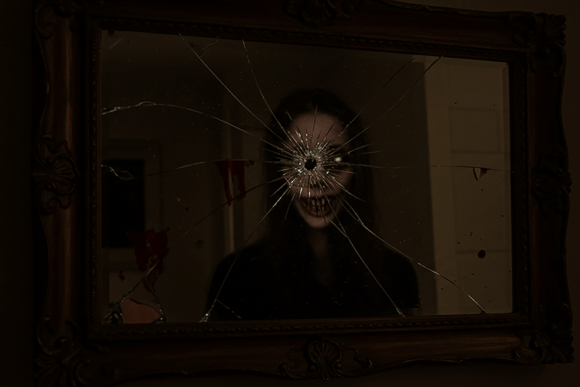
Haunted Mirror Horror Background: A Designer's Gothic Asset
That moment when you unlock a screen, and the reflection isn't quite your own. It’s the uncanny valley of the supernatural, and it’s exactly the feeling captured by the Haunted Mirror Horror Background. This isn't just a spooky image; it's a narrative tool. The high-resolution 5824 x 3264 px file presents a shattered, blood-stained glass with a sinister, ghostly figure looming in the reflection. For designers, marketers, and creators in the horror and gothic space, this asset is less of a background and more of a scene-setter. It provides an instant atmosphere of dread, mystery, and dark fantasy that can anchor an entire visual project.
The Anatomy of a Haunting Visual
Understanding the asset's core components is key to using it effectively. The Haunted Mirror Horror Background works because it combines several powerful horror tropes into one cohesive composition. The cracked glass suggests violence or a breaking point between worlds. The blood stains add visceral, tangible evidence of a past event. Most importantly, the ghostly figure reflected behind the glass is the focal point—it’s the story. This element transforms the mirror from a simple object into a portal or a witness. The overall style leans into classic gothic horror with a modern, high-fidelity finish, making it versatile for both period and contemporary designs.
As a premium font or design asset would, this background brings a specific personality. It’s not campy or cartoonish; it’s atmospheric, unsettling, and psychologically tense. This makes it ideal for projects aiming for sophistication within the horror genre, akin to the branding of a psychological thriller film or a premium haunted attraction. The high-quality, print-ready file ensures that whether it’s used on a massive poster or a detailed book cover, the eerie details and textures remain crisp and impactful.
Practical Applications: Beyond the Spooky Poster
Where does a Haunted Mirror Horror Background truly shine? Its utility extends far beyond obvious Halloween decorations. Think of it as a foundational layer in your design assets toolkit for any project requiring a dark, mysterious, or paranormal tone.
- Publishing & Editorial Design: This is a natural fit for book covers in the horror, dark fantasy, or paranormal romance genres. It can serve as the central image or a textured layer behind title typography. For interior design, it could be used as a chapter header background in a gothic novel or a thematic border for a magazine feature on true crime or unsolved mysteries.
- Brand Identity & Marketing: Entrepreneurs running escape rooms, haunted house events, or selling horror-themed merchandise need visuals that communicate instantly. This background can be used in website headers, social media graphics, and promotional posters to establish a consistent, immersive brand identity. It tells your audience exactly what kind of experience they’re in for.
- Digital & Physical Crafts: Crafters and hobbyists will find this asset invaluable for sublimation projects. Imagine this image on a tote bag, a phone case, or a ceramic tile. For digital creators, it’s perfect for creating creepy digital papers, printable wall art, or layered graphics for video content. The high quality and large dimensions allow for significant cropping and resizing without loss of detail.
- Social Media & Content Creation: For bloggers, YouTubers, or podcasters covering horror content, this background can be used in video thumbnails, channel art, podcast cover art, or as a thematic backdrop for text-based posts. It adds a professional, cohesive look that boosts recognition.
Integrating the Horror: Typography and Pairing Strategies
A powerful background demands equally powerful typography. The wrong typeface can undermine the entire mood. The goal is to choose fonts that complement the background’s eerie elegance without getting lost in the visual noise.
For headlines and logos, consider a display font with a touch of gothic flair. A sharp, high-contrast serif font or a distressed script font can work beautifully, evoking a sense of antique mystery or frantic urgency. Avoid overly clean, geometric sans serif fonts for primary headlines, as they may feel too clinical and clash with the organic, chaotic texture of the broken mirror.
For body text or supporting information, readability is paramount. Here, a clean and sturdy sans serif font is often the best choice. Look for one with a slightly condensed or modern feel to maintain contrast with the decorative headline. This pairing—ornate headline over clean body text—creates a clear visual hierarchy, guiding the viewer’s eye from the captivating image to the necessary information. Always test your font pairing directly on the background. Overlay your text and check for legibility at various sizes, ensuring the cracks and blood stains don’t make critical words impossible to read.
Evaluating Fit and Licensing for Your Project
Before incorporating any design asset, a practical evaluation is crucial. First, assess the project’s tone. Is it genuinely horror, or is it a lighter, campy take? The Haunted Mirror Horror Background has a serious, intense aesthetic. For a humorous zombie comedy, it might be too heavy. For a psychological thriller or a serious paranormal investigation, it’s perfect.
Next, consider technical execution. Will the background be used digitally or in print? Its print-ready resolution is a major advantage, but always ensure your final output device or service can handle the file size. When designing for web, you’ll need to optimize the file for faster loading without sacrificing the mood—tools for compression and proper file format (like WebP) are your friends.
Finally, understand the licensing. This is a commercial font and asset, meaning it’s designed for use in projects that generate revenue. Review the license carefully. Does it cover physical merchandise for sale? Is it permitted for use in a client’s branding project? Clarifying these details upfront prevents legal headaches later and ensures you’re using the asset ethically and professionally. By treating this background as a strategic component of your brand identity or creative toolkit, you leverage its full potential to captivate and unsettle your audience, creating work that truly resonates in the shadows.