Summer Ocean Beach Junk Journal Pages: A Designer's Guide to Coastal Charm
There's something universally appealing about the coast. The textures of sun-bleached wood, the soft fade of watercolor on wet paper, the layered, collected feel of a beachcomber's journal. Capturing that feeling in a digital project can be challenging, but the right design assets make all the difference. This set of Summer Ocean Beach Junk Journal Pages is more than just a collection of backgrounds; it's a toolkit for injecting authentic, relaxed coastal personality into your work. It’s about evoking a mood, not just decorating a surface.
Understanding the Aesthetic: More Than Just a Background
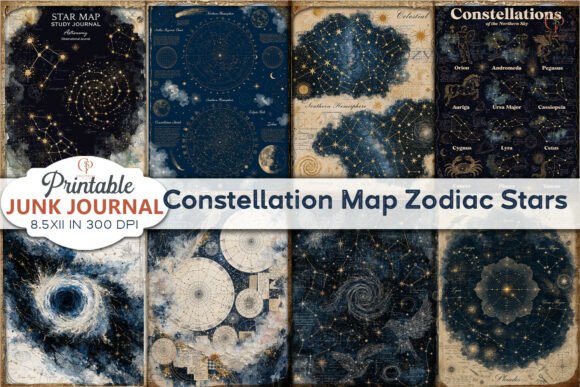
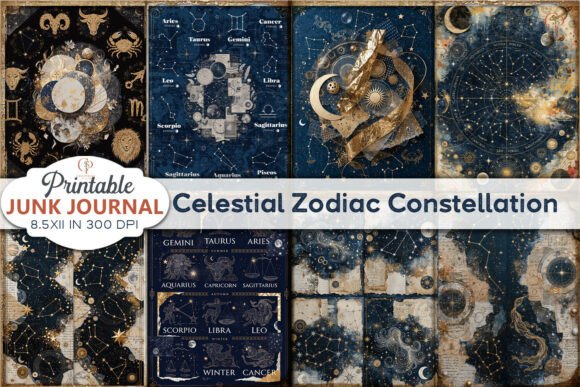
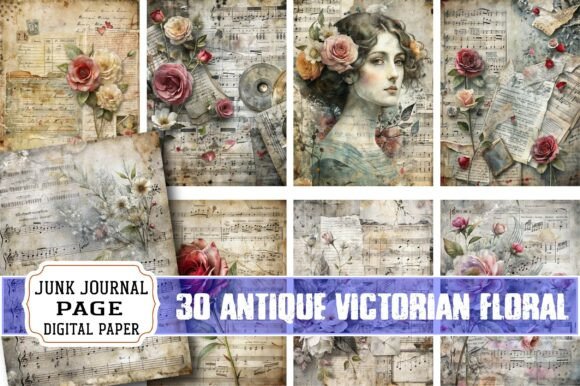
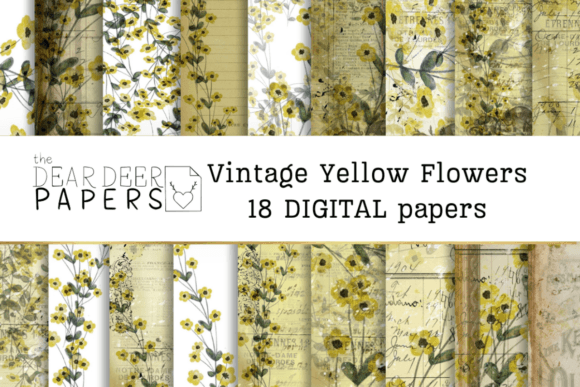
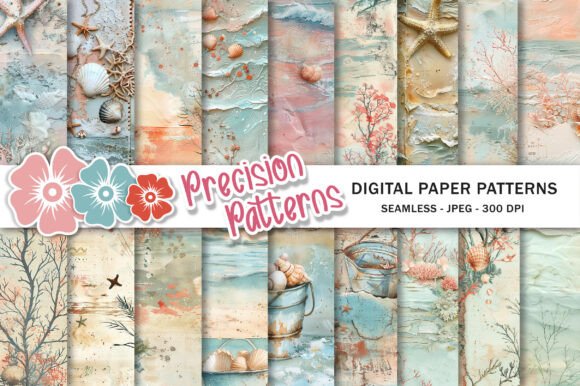
First, let's be clear: this isn't a premium font or a typeface for body text. These are digital papers designed to serve as foundational layers for visual projects. Think of them as the canvas upon which you build. The style is distinctly "junk journal"—intentionally textured, slightly imperfect, and rich with layered visual interest. You'll find the grain of aged paper, subtle watercolor washes in seafoam and coral, hints of nautical maps, and the faint impression of stamps or handwritten notes. The personality is nostalgic, organic, and wonderfully tactile, even on a screen. It avoids the slick, overly polished look of many modern design assets, offering instead a handcrafted authenticity that resonates deeply.
This aesthetic has significant power. In a digital landscape saturated with clean, minimalist vectors, these textured pages provide a counterpoint that feels human and approachable. For brand identity work, especially for lifestyle brands, artisan products, or boutique travel companies, this style communicates warmth, care, and a story. It tells your audience you value the handmade and the personal.
Practical Applications: Where Coastal Texture Shines
The utility of this collection spans a remarkable range of projects. Its strength lies in its versatility as a background element. For scrapbooking and personal creative projects, the pages are perfect. Use them as the base layer for digital layouts commemorating a summer vacation, a beach wedding, or a family reunion. The 12" x 12" size at 300 dpi ensures they're print-ready for high-quality photo books or physical journal pages.
In the commercial sphere, consider packaging design for a small-batch candle maker, a sea salt brand, or a coastal café. A single page can become the wrap for a box or a label background, instantly establishing the product's natural, seaside character. For web design and blog design, these pages can be used as section dividers, hero image backgrounds behind text, or as textures for sidebar elements. They add depth and break up the monotony of solid colors without overwhelming the visual hierarchy. The key is to pair them with clean, legible typography—like a simple sans serif font for body text or a crisp serif font for headlines—to ensure readability.
Marketers and content creators will find them invaluable for social media graphics. A textured background makes a text-based quote or announcement stand out with more character. Use them for Instagram story templates, Facebook event covers, or Pinterest pins for travel blogs, recipe posts, or wellness tips. They’re also ideal for creating cohesive planner stickers or digital elements for sale on platforms like Etsy.
Working With the Assets: A Practical Guide
Getting the most out of this set involves a few simple but crucial steps. The immediate download gives you 22 unique JPEG files. Because they are high-resolution, you have significant flexibility in resizing them. You can crop a section to create a vertical graphic for a phone wallpaper or scale the entire page down for a small icon background. Software like Adobe Photoshop, Canva, or even free tools like GIMP handles this easily.
When integrating these pages into a project, think in layers. Place your text, logo, or photos on top. Adjust the opacity of the background page if it's competing with your foreground elements. Use blending modes like "Multiply" or "Overlay" to integrate your graphics more seamlessly with the texture. This is where the "junk journal" magic happens—it’s about creating a composite that feels cohesive.
A critical consideration is contrast and readability. Not all 22 pages will be equally suited for every text overlay. A page with a strong, busy map texture might require a text box with a semi-transparent fill behind your words. A softer, watercolor-wash page might allow text to sit directly on top with a dark, contrasting color. Always test your chosen typography against the background. A bold display font can work well, but a highly detailed script font or handwritten font might get lost. Your goal is to let the texture support your message, not obscure it.
Finally, remember these are digital papers for creative use. The license typically allows for commercial application in end products like designs for clients or printables for sale, which is a major advantage for freelancers and small business owners. Always double-check the specific license details provided at purchase to ensure compliance for your intended use.
In essence, the Summer Ocean Beach Junk Journal Pages offer a direct route to infusing projects with a specific, highly desirable aesthetic. They solve the problem of finding textured, authentic backgrounds that tell a story. By understanding their visual character and applying them thoughtfully, you can elevate your designs from merely informative to genuinely evocative, connecting with your audience on a more sensory level.