Transform Your Projects with This Cracked Blue and Orange Paint Background
There is a specific energy that comes from textures that have been weathered by time. It speaks of resilience, history, and a raw authenticity that polished surfaces often lack. If you are looking to inject that kind of visceral power into your visual projects, the Cracked Blue and Orange Paint Background is a design asset that demands attention. This is not just a static image; it is a high-resolution canvas of decay and contrast, offering a dramatic interplay between cool stability and warm intensity.
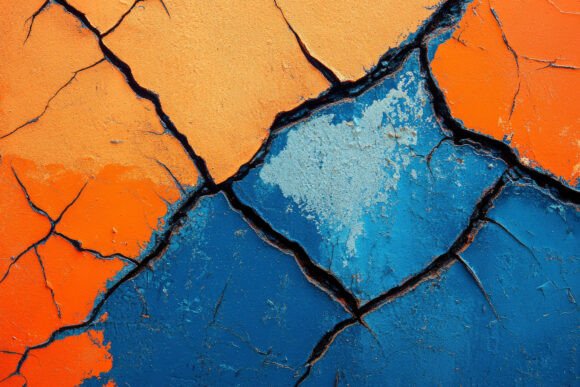
Visual storytelling often relies on the subtleties of texture. A clean, white background serves a purpose in minimalist branding, but when a project calls for emotion, grit, or a tactile feel, you need something with more weight. This particular background features a distressed surface where layers of paint have fractured over time. The deep blues provide a sense of depth and professionalism, while the piercing oranges break through the cracks to suggest creativity, energy, and perhaps a bit of rebellion. It is a premium texture that immediately elevates the perceived value of whatever it touches.
The Anatomy of a Distressed Texture
To truly understand how to utilize this asset, you have to look at the visual characteristics that define it. The Cracked Blue and Orange Paint Background is defined by its organic irregularity. The "cracking" effect is not a uniform digital filter; it mimics the way paint reacts to environmental changes—expanding, contracting, and eventually splitting to reveal the layers beneath.
The color palette is its strongest feature. Blue is traditionally associated with trust, stability, and corporate reliability. Orange, on the other hand, is the color of enthusiasm, action, and affordability. When you combine these two complementary colors in a distressed format, you create a visual tension that is incredibly engaging. It suggests a brand or a message that is established and trustworthy (blue) but also innovative and energetic (orange). This makes the texture perfect for projects that need to bridge the gap between traditional professionalism and modern creativity.
Furthermore, the resolution of this file—coming in at a massive 5824 x 3264 pixels—ensures that the texture remains crisp even when zoomed in. You can use the entire canvas for a massive billboard or crop into a specific section of the cracking paint for a business card, and the quality will remain impeccable.
Strategic Applications for Modern Creators
As a designer, marketer, or entrepreneur, the challenge is rarely finding an image; it is finding the right image that fits the context. The versatility of this background allows it to function across various mediums, but its "personality" dictates where it shines brightest.
Branding and Logo Design
If you are working on a logo design for a construction company, a music venue, an artisanal coffee shop, or a streetwear brand, this background serves as an excellent stage. Placing a clean, white, or metallic logo over this cracked blue and orange paint background creates immediate contrast. The roughness of the background makes the clean lines of a sans serif font or the elegance of a serif font pop with greater intensity. It helps build a brand identity that feels grounded and authentic rather than sterile.
Web Design and Digital Media
In the realm of web design, texture is often used to break up monotony. This image works exceptionally well as a hero section background for a landing page, provided the text placed over it is legible. It is also highly effective for social media graphics. Think about podcast cover art, YouTube thumbnails, or Instagram story backgrounds. The vibrant colors naturally stop the scroll, drawing the eye to your content. When overlaying text, consider using a bold display font or a heavy weight to ensure readability against the visual noise of the cracks.
Publishing and Editorial Design
For publishers and bloggers, the texture adds a layer of sophistication to editorial design. It can be used as a cover background for an e-book, a header image for a blog post about resilience or creativity, or a chapter divider in a printed magazine. The "print ready" nature of the file means you don't have to worry about pixelation when moving from screen to paper.
Enhancing Visual Hierarchy and Engagement
One of the most overlooked aspects of modern typography is the relationship between the letterform and the surface it sits upon. The Cracked Blue and Orange Paint Background influences readability and visual hierarchy in distinct ways.
Because the texture is complex, it naturally pushes the viewer's eye toward areas of simplicity. This is a powerful tool for brand perception. By placing your key message in a "quiet" area of the image or using a solid color block to mask a portion of the background, you create a focal point that feels intentional and curated.
When testing font pairing with this background, you will find that high-contrast combinations work best. A thick, geometric creative font can hold its own against the rugged texture. Conversely, a delicate script font might get lost in the cracks unless it is scaled up significantly or given a drop shadow. The goal is to create a dialogue between the type and the texture—the font provides the message, and the background provides the mood.
Practical Guidance for Implementation
Integrating a high-impact asset like this requires a bit of strategy. Here are some practical recommendations to ensure you get the most out of this resource.
- Evaluate the Fit: Does the mood of the background align with your client's voice? If the project requires a soft, gentle, or highly corporate "clean" look, this texture might be too aggressive. However, for projects aiming for "edgy," "vintage," or "industrial" vibes, it is a perfect match.
- Test for Legibility: Before finalizing a design, squint at your screen. If the text disappears into the texture, you have a readability problem. Fix this by increasing the font weight, changing the text color to white or a high-contrast yellow, or applying a subtle semi-transparent overlay behind the text to separate it from the design assets.
- Crop Creatively: Don't just use the image as is. The 5824 x 3264 px size allows for significant cropping. Zoom in on the orange cracks for a detail shot, or zoom out to show the broad sweep of the blue expanse. This gives you multiple assets from a single purchase.
- Color Grading: While the blue and orange are stunning, don't be afraid to adjust the hue/saturation in Photoshop or Illustrator. You can push the blue toward teal for a retro look or mute the orange to a burnt sienna for a more organic, earthy feel.
The Value of a Print-Ready File
In an era dominated by screens, the value of a print ready file cannot be overstated. Many free resources online are low-resolution 72dpi images that look fine on a website but turn into a pixelated mess when printed. This JPG file is prepared for high-fidelity output.
For small business owners creating packaging design, this is crucial. Imagine a coffee bag or a product box with this texture as the background. The tactile feel of the cardboard combined with the visual depth of the cracked paint creates a sensory experience for the customer. It communicates that the product inside is crafted with care and attention to detail. Similarly, for event posters, flyers, or business cards, the high resolution ensures that your commercial font and graphics look sharp and professional, reinforcing your credibility.
Conclusion
The Cracked Blue and Orange Paint Background is more than just a stock image; it is a versatile design asset that bridges the gap between digital convenience and artistic expression. Whether you are a freelancer building a portfolio, a marketer crafting a campaign, or a hobbyist working on a personal project, this texture provides a robust foundation. It challenges you to be bold with your typography and strategic with your layout, resulting in work that feels both professional and deeply human.