Basketball Leopard Background: A Bold Graphic Asset for Designers
The Visual Identity of the Basketball Leopard Background
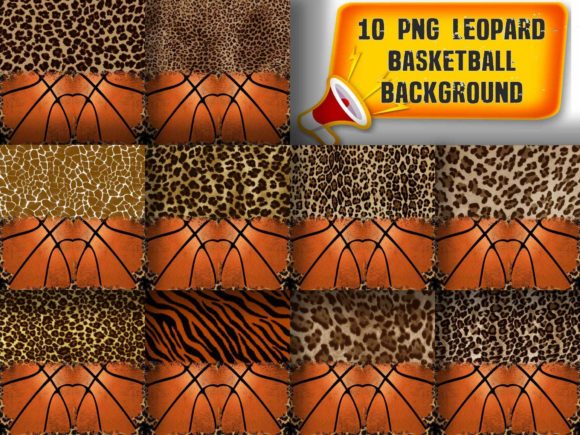
The Basketball Leopard Background is a striking design asset that merges the raw energy of street sports with the untamed aesthetic of animal print. Visually, it relies on high-contrast imagery where the texture of a basketball—often depicted with its characteristic pebbled grain and curved panel lines—is overlaid with or transformed into a leopard spot pattern. This creates a dynamic visual noise that immediately commands attention. Unlike standard solid colors or subtle gradients, this graphic commands a specific personality: it is aggressive, urban, and undeniably confident. The "Basketball Leopard Background" concept works because it taps into the crossover between athletic performance and streetwear fashion, a market segment that values bold statements and visual distinctiveness.
When working with the provided PNG file, you will notice the resolution stands at 2000 x 2000 pixels with a 300 DPI. In practical design terms, this is a "sweet spot" for versatile application. It offers enough pixel density to maintain crisp edges when printed on physical goods, yet the file size remains manageable for digital layering. The color palette typically involves warm earth tones—ochres, tans, and deep browns—contrasted against the deep orange or synthetic black of the ball texture. This specific color science ensures that the background does not wash out when placed against light UI elements, nor does it disappear into dark themes. It retains its legibility as a background texture because the "spots" provide a rhythmic visual break that prevents the image from becoming a monotonous blob of color.
Strategic Applications for Sublimation and Print
The true utility of a "Basketball Leopard Background" lies in its adaptability across different manufacturing processes, specifically sublimation. Sublimation printing requires high-resolution source material because the ink becomes part of the substrate rather than sitting on top of it. A 300 DPI file is the industry standard for ensuring that the intricate details of the leopard print do not pixelate or bleed when heat-pressed onto polyester fabrics or coated hard surfaces. For entrepreneurs in the print-on-demand space, this asset is a foundational layer. It is not merely a picture; it is a production-ready texture.
Consider the application on apparel. A t-shirt featuring this background works best when the design respects the "visual weight" of the pattern. Because the leopard print is busy and high-energy, it pairs exceptionally well with solid, sans-serif typography. If you overlay a bold, blocky font—think collegiate styles or modern grotesque typefaces—you create a hierarchy where the text punches through the texture. This is a classic principle of visual hierarchy: using a complex background to ground a simple foreground element. The same applies to hard goods. On a ceramic mug or a phone case, the "Basketball Leopard Background" wraps around the object, providing a tactile illusion. The pebbled texture of the basketball element suggests grip and durability, while the leopard spots add a layer of stylistic flair that elevates the product from "sports equipment" to "lifestyle accessory."
However, designers must be mindful of the file format limitations mentioned in the asset description. The note that "SVG files cannot be created as they cannot be parsed" is a crucial technical reality. This asset is raster-based (PNG), not vector-based. This means it has a fixed resolution. While 2000px is generous, scaling it up significantly for large-format printing—such as trade show banners or wall murals—will result in quality loss. For standard merchandise like tote bags, pillows, and scrapbooks, the resolution is perfect. For web design, where file load times are critical, you may need to optimize the file size without sacrificing the 72-96 DPI screen resolution clarity, ensuring the "Basketball Leopard Background" loads instantly to keep bounce rates low.
Integrating the Asset into Modern Brand Identity
Choosing to use a "Basketball Leopard Background" is a strategic branding decision. It signals to your audience that your brand identity is rooted in energy, movement, and a certain "hype" culture. This makes it an ideal asset for brands targeting demographics interested in streetwear, fitness, or urban lifestyle content. When building a brand identity, consistency is key. This background can serve as a unifying element across your social media graphics. For instance, using it as the background for Instagram stories or YouTube thumbnails creates an immediate recognizable "frame" for your content, boosting brand recognition without the need for heavy watermarking.
From a font pairing perspective, the "Basketball Leopard Background" demands typefaces that can hold their own against its visual complexity. Avoid delicate script fonts or thin sans serif fonts, as the intricate spots of the leopard print will swallow the thin strokes of these letters, destroying legibility. Instead, opt for heavy display fonts or slab serifs. The goal is to create a contrast in texture: the organic, chaotic texture of the background versus the structured, geometric precision of the typography. This interplay creates a professional look that demonstrates an understanding of modern typography principles.
Furthermore, this asset offers significant value in editorial design and packaging design. In a magazine layout or a lookbook, using the background as a sidebar or a pull-quote box can break up long blocks of text, adding a tactile quality to the page. In packaging, particularly for sports supplements, energy drinks, or athletic gear, the pattern communicates potency and performance. It tells the consumer that the product inside is designed for high-performance environments.
Practical Checklist for Using This Asset
- Readability First: Always place high-contrast text over the "Basketball Leopard Background." White or black text with a subtle drop shadow or a solid backing shape (like a rounded rectangle) ensures your message isn't lost in the texture.
- Commercial Licensing: Since you are likely using this for commercial font projects or merchandise, verify the licensing terms of the specific download. Most standard licenses allow for end-products (like a t-shirt) but restrict reselling the raw file itself.
- Color Adjustments: Don't be afraid to color-grade the PNG. If your brand palette is neon or cool-toned, apply a Hue/Saturation adjustment layer to shift the leopard spots to match your scheme. This transforms a generic asset into a custom design asset.
- Cropping Strategy: Because the file is a square (2000x2000), you have ample room to crop for different aspect ratios (16:9 for video, 4:5 for Instagram) without losing the core subject matter.
In conclusion, the "Basketball Leopard Background" is more than just a clipart image; it is a versatile tool for logo design