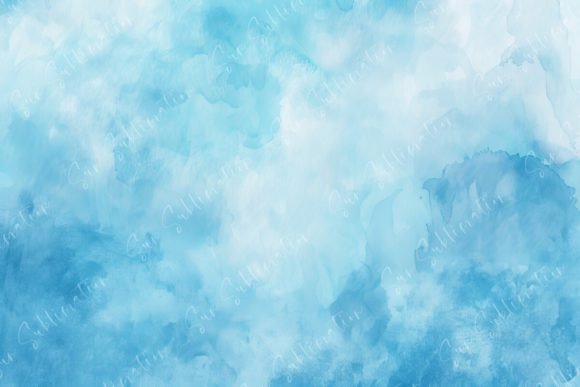
Calm Your Canvas: The Power of Abstract Blue Watercolor Backgrounds
There's a particular kind of visual noise we all experience scrolling through our feeds. Bright, clashing colors, aggressive graphics, and layouts that demand attention can be exhausting. Sometimes, what a project truly needs is a moment of quiet. This is where a resource like the Abstract Blue Watercolor Background becomes less of a simple asset and more of a strategic design choice. It’s not just a pretty picture; it’s a tool for setting a specific, intentional mood.
Understanding the Visual Language of This Watercolor Asset
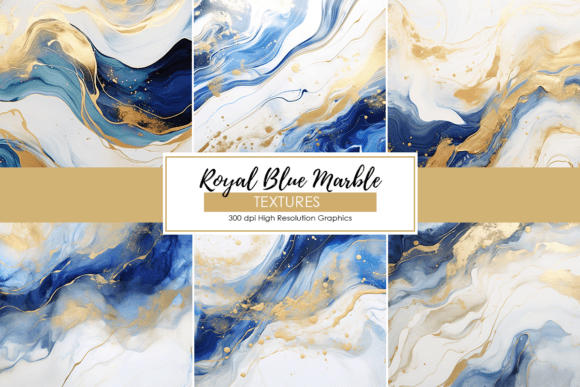
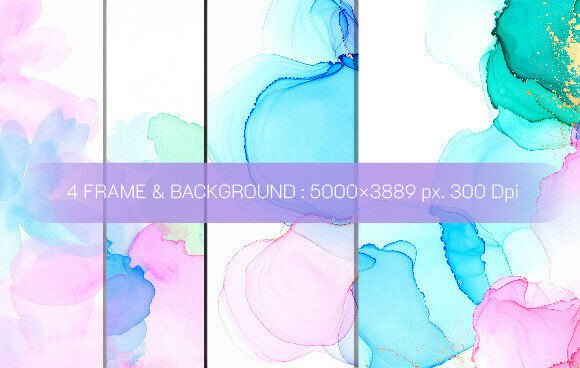
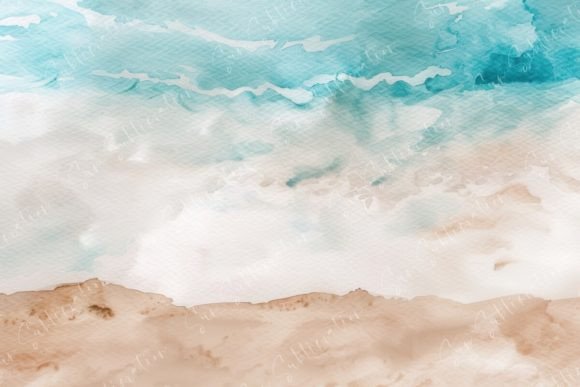
At its core, this background is a study in serene complexity. The description of "various shades of blue" is key. We're not talking about a flat, digital blue. We're talking about the organic, fluid transitions you get with real watercolor pigment on paper. Think of the pale, almost translucent wash near the edges, deepening into rich, confident cobalt or navy in concentrated areas. There are likely subtle variations in texture—places where the water carried the pigment further, creating light, airy zones, and others where the color pooled, offering depth and intensity.
This inherent variation is its greatest strength. It provides visual interest without creating focal points that compete with your content. The overall personality is one of calm, trust, and clarity. It feels professional yet approachable, artistic but not messy. This makes it an incredibly versatile design asset for a wide range of creators, from a freelance designer building a brand identity to a small business owner crafting social media graphics.
Where This Background Truly Shines: Practical Applications
Choosing the right background is about context. This Abstract Blue Watercolor Background excels in projects where you want to establish a peaceful, trustworthy, or sophisticated atmosphere without resorting to sterile minimalism.
For Brand Identity and Logo Design: Imagine this as the backdrop for a wellness brand, a financial advisor, a boutique hotel, or a tech startup focused on clean data. Used behind a clean, sans serif font or a sophisticated serif font for a logo, it immediately communicates reliability and calm expertise. It works beautifully for business cards, letterheads, and presentation templates, providing a consistent, recognizable element across all touchpoints.
In Digital and Web Design: This is where the high-resolution (4500 x 3000 pixels, 300 dpi) file proves its worth. It can be used as a full-bleed website hero section without any pixelation, even on large monitors. It serves as an excellent background for online course platforms, meditation apps, or portfolio sites for consultants. In social media graphics, it creates a cohesive and calming grid on Instagram or Pinterest, making quotes, announcements, and promotional posts feel part of a unified, professional whole.
For Print and Editorial Projects: The JPEG format and high resolution make it print-ready for a variety of applications. Consider it for the cover of a journal, a planner, or a book about mindfulness. In editorial design, it can be used as a subtle full-page background for magazine features on wellness, travel, or interior design. For packaging design, especially for products like artisanal soaps, teas, or stationery, this background can add a layer of artisanal quality and tranquility.
Integrating the Asset: A Guide for Creators
Having a great asset is one thing; using it effectively is another. Here’s how to think about integrating this Abstract Blue Watercolor Background into your workflow.
Evaluating Project Fit: Before you download, ask yourself about the core message. Does your project need to convey energy, urgency, or playfulness? If so, a bold, graphic background might be better. This watercolor asset is for projects that benefit from a sense of space, calm, and thoughtful consideration. It’s perfect for a "pause and reflect" feeling.
Ensuring Readability and Hierarchy: The key challenge with any textured background is maintaining text legibility. The solution lies in contrast and placement. Place your most important text—like a headline or a call-to-action—in one of the lighter, less textured areas of the background. You can also use a semi-transparent white or dark blue overlay shape behind text blocks to create a solid reading field while still allowing the beautiful watercolor texture to show through around the edges. This technique helps establish a clear visual hierarchy, ensuring your message isn't lost in the aesthetic.
Font Pairing Strategy: This is where you can really refine the feel. The background’s organic texture pairs beautifully with clean, modern typography. A strong, geometric sans serif font like Montserrat or Helvetica Neue creates a pleasing contrast—the digital precision of the type against the analog fluidity of the watercolor. For a more elegant or traditional brand, a classic serif font like Garamond or Baskerville can work wonderfully, evoking a sense of timeless sophistication. Avoid overly decorative script fonts or handwritten fonts for large blocks of text, as they can become difficult to read against the textured backdrop. Instead, reserve such creative fonts for short, impactful headlines or accents.
Color Palette Considerations: Your text and accent colors should harmonize with the blues in the background. Look to the lightest and darkest points in the watercolor for inspiration. Crisp white for text is a classic, fail-safe choice. For accents, consider a soft gray, a muted gold, or even a complementary warm tone like a soft coral or sand, used sparingly for buttons or icons, to add a subtle pop without overwhelming the serene palette.
Licensing and Practicalities: Since this is a digital download for commercial use, you can integrate it into client projects, products for sale, and marketing materials with confidence. Remember the note about monitor color variation—a best practice is to print a small test sample if your final output is physical to ensure the blues translate as you expect. The immediate download means you can start experimenting right away, layering it into mockups and seeing how it interacts with your specific content.
In the end, an asset like this Abstract Blue Watercolor Background is about adding a layer of human touch and emotional resonance to digital work. It’s a bridge between the raw, unpredictable beauty of traditional media and the precision required in modern design. By understanding its strengths and applying it thoughtfully, you can create work that doesn’t just capture attention, but holds it, offering your audience a moment of visual calm in a cluttered world.