Gerbera Flower Background: Vibrant Design Asset
There is a specific kind of energy that only nature can bring to a design project. It is the difference between a layout that feels sterile and one that feels alive. When working with the Gerbera Flower Background, you are not just selecting a piece of clipart; you are incorporating a high-octane source of color and organic geometry into your work. This specific asset is designed for creators who need immediate visual impact without sacrificing technical quality. It captures the essence of the Gerbera daisy—a flower known for its bold symmetry and wide, welcoming face—and translates it into a versatile digital resource.
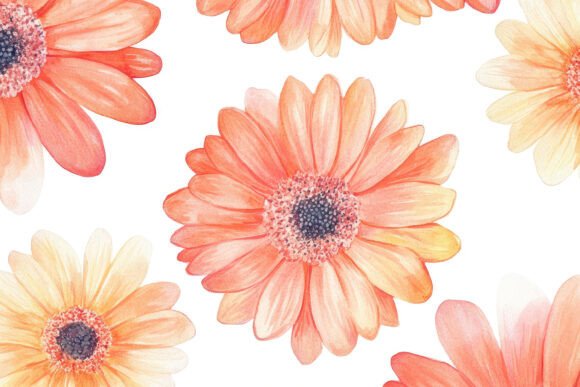
The visual personality of this background is defined by its saturation and clarity. Gerberas are distinct from roses or lilies; they lack the frills of the former and the subtlety of the latter. Instead, they offer a sturdy, geometric beauty. The petals often radiate from a central disk in a pinwheel fashion, creating natural lines of movement that can guide a viewer's eye across a page. When used as a background, this texture provides a sense of warmth and optimism. It is inherently cheerful but can be styled to feel sophisticated depending on the color grading and typography you layer over it. Whether you are using a version with a soft focus to create depth or a crisp, macro shot for intensity, the Gerbera Flower Background serves as a foundation that is both grounding and energizing.
Technical Specifications: Why Resolution Matters
In the world of digital assets, resolution is often the barrier between amateur work and professional polish. The Gerbera Flower Background comes in at a massive 5824 x 3264 pixels. To put that into perspective, this is well beyond standard 4K resolution. For a designer or entrepreneur, this size is not just a number; it is a safety net. It means you can crop aggressively into the flower to focus on a specific cluster of petals without losing the sharpness required for high-end printing.
The file is delivered as a high-quality JPG, which strikes the perfect balance between color fidelity and file manageability. While PNGs are necessary for transparency, a JPG of this caliber is superior for background textures because it renders gradients and subtle color shifts in the petals more smoothly, without banding. Because it is a print-ready file, you do not need to worry about the image pixelating when you transfer your work from screen to physical product. Whether you are printing a massive vinyl banner for an event or a small, intricate sticker, the integrity of the image remains intact. This level of quality ensures that the asset looks as good on a business card as it does on a billboard.
Strategic Applications for Creatives and Brands
Understanding where to deploy the Gerbera Flower Background is key to maximizing its value. This asset is not limited to one niche; it bridges the gap between packaging design, web design, and physical products. Here is how different professionals can leverage this specific visual style.
Branding and Logo Design
For businesses in the wellness, beauty, or lifestyle sectors, a Gerbera flower conveys health, purity, and approachability. However, using floral elements in logo design requires restraint. You would rarely use the full background as a logo mark. Instead, use the Gerbera Flower Background as a texture behind your logotype or as a framing device for a circular emblem. It works exceptionally well for brand identity kits, specifically on the back of business cards or the cover of a presentation deck. It sets a mood instantly, telling the client that your brand is organic, vibrant, and detail-oriented.
Editorial and Publishing
In editorial design, texture prevents pages from looking flat. If you are a publisher or blogger creating a header image for an article about gardening, mental health, or spring fashion, this background is ideal. The high resolution allows you to blur the background slightly—using a Gaussian blur effect—to ensure that your overlaid text remains legible. The colors of the Gerbera can be used to pull accent colors for your typography, creating a cohesive visual hierarchy that feels intentional rather than arbitrary.
Packaging and Product Mockups
Imagine a line of artisanal soaps, scented candles, or greeting cards. The Gerbera Flower Background can serve as the primary surface texture for the packaging. Because the image is print-ready, you can wrap it around 3D mockups in software like Photoshop or Illustrator to show clients exactly how the final product will look. The flower's natural geometry provides a pleasing contrast to rigid text boxes and barcodes, softening the industrial feel of product packaging.
The Psychology of Color and Composition
Flowers communicate through color, and the Gerbera is a loud speaker. While you may find this background in various hues, the classic Gerbera offers a rich palette of oranges, pinks, yellows, and reds. From a psychological standpoint, these colors trigger emotions related to enthusiasm, creativity, and warmth. For marketers and social media graphics, this is invaluable. Social feeds are crowded, and a static, grey background often gets scrolled past. A vibrant Gerbera Flower Background stops the thumb. It creates a "thumb-stopping" moment that is essential for engagement on platforms like Instagram and Pinterest.
Furthermore, the composition of a Gerbera is naturally balanced. The radial symmetry of the petals creates a focal point. When placing your main subject—be it a product photo or a headline—try to align it with the center of the flower or use the natural curve of the petals to frame the text. This utilizes the "leading lines" concept in photography and design, where the viewer's eye is subconsciously guided toward the important information.
Practical Guide: Pairing and Integration
A high-quality background can be undermined by poor typographic choices. When working with the Gerbera Flower Background, your goal is to create contrast. Since the background is organic, textured, and likely colorful, your typography should generally be clean and structured.
- Sans Serif Fonts: A modern, geometric sans serif font works best for headlines. The clean lines of a sans serif will pop against the complex texture of the petals, ensuring high readability. Think of fonts like Montserrat, Helvetica, or Futura.
- Modern Serif Fonts: If you want a more editorial or high-fashion look, pair the background with a modern typography serif style. A font with high contrast between thick and thin strokes adds elegance without feeling stuffy.
- Script and Handwritten Fonts: Use these sparingly. A script font or handwritten font can work for a logo or a single word, but because the background is already "busy," large blocks of script text will become illegible.
When placing text over the image, consider adding a semi-transparent overlay. A white box at 50% opacity or a dark gradient at the bottom of the image can create a safe zone for text, ensuring that your message is the hero, and the flower is the stage.
Evaluating Fit and Commercial Use
Before finalizing your design, it is crucial to evaluate if this specific asset fits the project's scope. The Gerbera Flower Background is a premium font and asset resource, meaning it is curated for quality. It is distinct from generic stock photos found on free sites, which often have watermarks or low resolution. When you incorporate this into your brand identity, you are signaling a commitment to quality.
Always review the licensing terms associated with the file. Most commercial font and asset licenses allow for usage in digital ads, physical merchandise, and client work. However, if you plan to use the image in a way where the file itself is sold (such as a digital wallpaper pack), you may need to verify the specific redistribution rights. For standard use—designing a poster, a website header, or a flyer—you are generally safe to proceed.
Ultimately, the Gerbera Flower Background is more than just a pretty picture. It is a design asset that brings technical robustness and emotional resonance to your projects. By leveraging its high resolution and vibrant energy, you can elevate everything from a simple social media post to a complex print campaign, ensuring your work looks professional, polished, and full of life.