Mindful Gratitude Junk Journal Kit: A Designer's Companion for Intentional Creation
In a world saturated with digital noise and fleeting trends, there's a growing desire among creatives to produce work that feels personal, meaningful, and grounded. The Mindful Gratitude Junk Journal Kit answers this call not as a traditional font, but as a comprehensive set of design assets crafted to infuse projects with intention and serenity. This isn't just a collection of papers and elements; it's a toolkit for building visual narratives centered on reflection and appreciation.
Understanding the Kit's Visual Language and Core Appeal
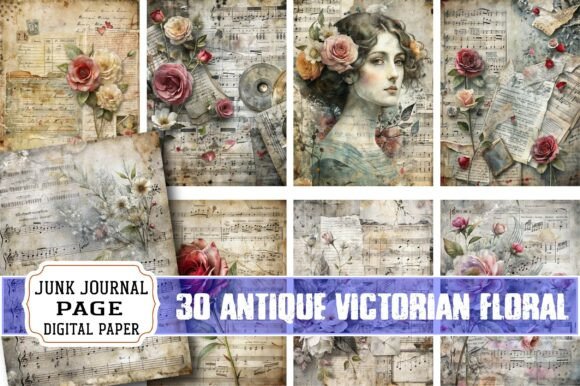
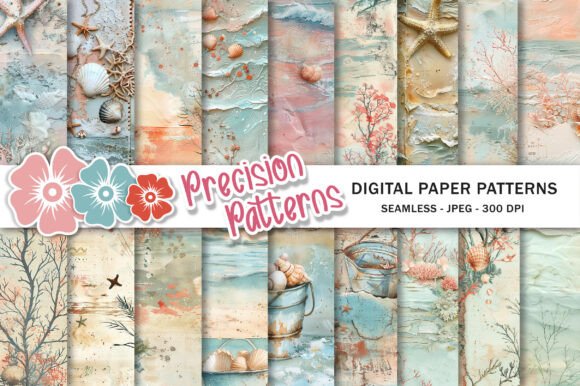
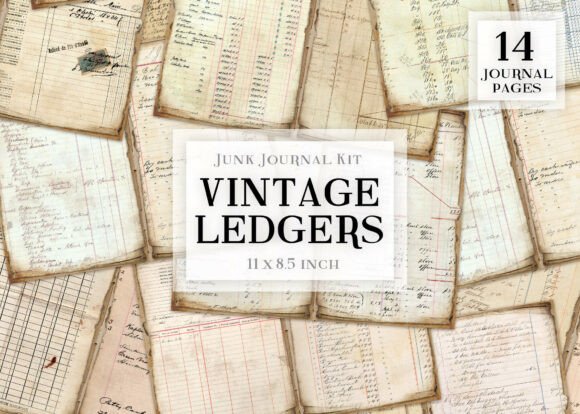
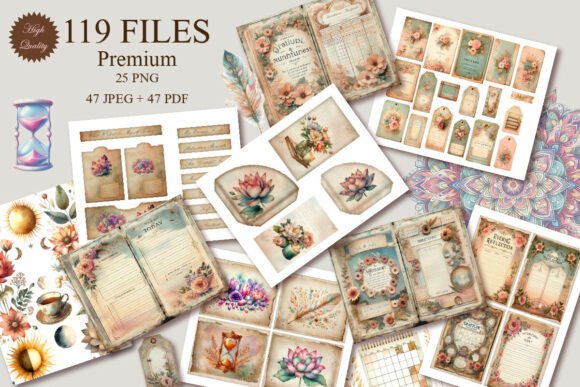
At its heart, the kit is built on a foundation of soft, watercolor tones and the gentle imperfection of aged paper textures. These are not sterile, corporate design assets. Instead, they carry a handmade aesthetic—a warmth that digital-only projects often lack. Delicate floral accents and subtle vintage-inspired ephemera weave throughout, creating a cohesive visual personality that is both nostalgic and contemporary. The overall style leans into a modern typography sensibility where texture and tone communicate as much as any text element. It's designed to evoke a feeling of calm, making it particularly effective for projects in the wellness, self-care, coaching, and creative lifestyle spaces.
A critical note from the kit's description is that all text elements are purely decorative. This positions the kit as a powerful display font and background asset rather than a typographic solution for body copy. Its strength lies in creating mood boards, textured backgrounds, and layered collages that serve as the canvas for your own typography. Think of it as the sophisticated, tactile layer that a serif font or a clean sans serif font can sit upon with authority.
Strategic Applications Across Creative and Commercial Projects
The true value of the Mindful Gratitude Junk Journal Kit is realized when you move beyond the junk journal itself (though it excels there) and apply its components to a range of professional and personal projects. Its high-resolution files (300 DPI) and variety of formats (JPG, PDF, PNG) make it a versatile player in your design toolkit.
- Brand Identity & Packaging: For small businesses in the artisanal, beauty, or wellness sectors, the kit's textures and elements can form the basis of a unique brand identity. Use the watercolor sheets as backgrounds for logo design presentations or incorporate floral PNGs into packaging mockups. This approach helps build a brand perception that is authentic, thoughtful, and detail-oriented.
- Editorial & Web Design: Bloggers and digital publishers can use the sheets to create featured images, section dividers, or social media graphics that stand out. The serene atmosphere is perfect for content about mindfulness, productivity, or personal development. In web design, the textures can be used as subtle background layers, adding depth without sacrificing readability when paired with a clean font pairing.
- Marketing & Social Media: The PNG elements are gold for creating engaging social media graphics. A single floral element or a torn paper piece can anchor a quote graphic, making it more shareable and memorable. For email marketing, using a textured background from the kit can increase visual hierarchy and draw the eye to key calls-to-action.
- Personal & Commercial Craft Projects: Beyond digital, the ready-to-print PDF pages are ideal for creating physical planners, card sets, or DIY gifts. The commercial font licensing (when applicable to the kit's terms) allows entrepreneurs to use these assets in products they sell, such as printable art or assembled journal kits.
Practical Guidance for Integration and Pairing
Integrating a strong aesthetic asset like this kit requires a thoughtful approach to maintain professionalism and readability. Here’s how to work with it effectively:
- Evaluate Project Fit First: Before diving in, ask if the project's tone aligns with the kit's personality. It’s a superb fit for a yoga studio's branding or a life coach's workbook. It might be less suitable for a fintech startup's annual report, where clarity and a modern, clean aesthetic are paramount.
- Master Font Pairing: This is where the kit shines as a background for typographic contrast. Pair its ornate, textured backgrounds with a strong, simple script font for headings or a highly legible sans serif font for body text. The contrast between the organic, handmade feel of the kit and the structured precision of your chosen typeface creates dynamic visual interest and ensures your message remains clear.
- Test for Readability and Hierarchy: Never sacrifice readability for aesthetics. Use the kit's elements to create borders, accents, or faded background layers, but ensure any overlaid text has sufficient contrast. Use the elements to guide the viewer's eye, establishing a clear visual hierarchy where the most important information stands out.
- Review the Included Styles: Take inventory of the 47 sheets and 25 elements. Organize them by color intensity and texture complexity. Some may be perfect as full-page backgrounds, while others are better suited as small accents. This review prevents a disjointed look in your final project.
- Understand the Licensing: Always review the specific license for the Mindful Gratitude Junk Journal Kit. Understanding whether it's for personal use only or allows for commercial application is crucial for designers and entrepreneurs planning to use the assets in client work or products for sale.
The Mindful Gratitude Junk Journal Kit is more than a collection of pretty papers; it's a strategic design asset for creators who want to build deeper connections with their audience. By leveraging its unique visual language with thoughtful typography and clear intention, you can elevate projects from merely informative to genuinely resonant, crafting experiences that encourage pause, appreciation, and engagement.